We would like to inform you that COLZANI Italian Contemporary Lifestyle has relocated from the showroom at Chevalier House, Genting Road.
COLZANI will continue to operate as the exclusive Asian representative and agent for our Italian furniture brand partners, including Nicoline, Potocco, Naturedesign, Ronda Design, and Status.
During this transition, the showroom at Chevalier House will continue to display and sell these brands until further notice, ensuring uninterrupted service to our customers.
For all enquiries, product information, project consultations, or to arrange a private meeting, please contact:
Until further notice, all meetings with COLZANI are available by appointment only.
We sincerely appreciate your continued trust and support and look forward to continuing to serve you with the finest in Italian contemporary furniture and design.
A thoughtfully styled coffee table plays a subtle yet defining role in shaping the character of a living space. More than a convenient surface for books or refreshments, it acts as a visual anchor that brings together colour, texture, proportion, and personal taste. In well-considered interiors, coffee table decor reflects how a space is lived in and how design choices are layered with intention. Explore designer-led principles to create a coffee table arrangement that feels balanced, polished, and timeless.
Key Takeaways:
What are Some Design-Led Tips to Curate Coffee Table Decor?
Start with a considered focal piece to anchor the coffee table and define the overall look.
Apply proportion, such as the rule of thirds, to balance objects of varying height, shape, and material.
Use coffee table books to add structure and subtle layers of colour, texture, and personal interest.
Arrange decor in response to the table’s shape to maintain visual flow across the surface.
Keep colours cohesive so the coffee table decor feels naturally integrated with the surrounding space.
Introduction
A thoughtfully styled coffee table plays a subtle yet defining role in shaping the character of a living space. More than a convenient surface for books or refreshments, it acts as a visual anchor that brings together colour, texture, proportion, and personal taste. In well-considered interiors, coffee table decor reflects how a space is lived in and how design choices are layered with intention.
Whether paired with a tailored sofa or positioned on a handwoven rug, the right styling approach can elevate the room from well-furnished to distinctly curated. The following designer-led principles offer an easy starting point for creating a coffee table arrangement that feels balanced, polished, and timeless.
How to Style Coffee Table Decor With Intention
1. Anchor the Table With a Strong Focal Piece
Every successful composition begins with a focal point. On a coffee table, this is usually a single statement object that draws the eye and establishes visual stability. A sculptural vase, a ceramic bowl with tactile glazing, or a contemporary tray works well as a starting point.
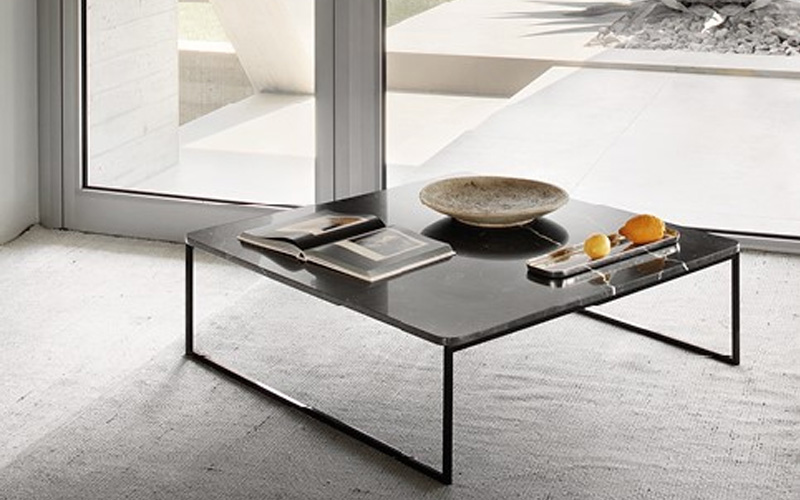
For those looking to decorate an Italian coffee table, the focal piece should complement the table’s material and proportions. A slim marble surface pairs naturally with sculptural forms, whereas timber tables benefit from objects with weight and texture. This initial anchor sets the tone for the rest of the styling and prevents the table from looking cluttered.
2. Use the Rule of Thirds for Balanced Styling
Designers often rely on the rule of thirds when styling surfaces. This design technique divides a frame into an even three-by-three grid created by two horizontal and two vertical lines. This framework helps guide visual balance and placement.
Grouping objects in odd numbers introduces a sense of rhythm and balance. Varying height, shape, and material within these groupings adds depth without visual noise. When applying designer coffee table decor tips, think in terms of contrast and proportion. A low ceramic piece can be paired with a taller object and a softer element, such as greenery. This approach gives the table a sense of movement while preserving visual harmony.
3. Layer With Coffee Table Books
Coffee table books remain a staple in well-appointed interiors, not only for their visual appeal but for the structure they provide. Stacking two or three books introduces height variation and establishes a base for smaller decorative items, including candles, bowls, or sculptural objects.
Books also offer a subtle way to introduce colour accents or refined typography that echo the tones and materials found elsewhere in the room. Covers featuring muted hues, textured finishes, or elegant types can quietly reinforce the overall palette. In contemporary homes, books centred on art, architecture, or travel often feel fitting, as they showcase a cultivated, design-conscious lifestyle.
4. Match Decor to the Shape of Your Table
The shape of your coffee table should guide how decor is arranged. Applying thoughtful coffee table arrangement techniques to align decor with the table’s shape creates a natural sense of flow. This allows each element to complement the overall space in its own way.
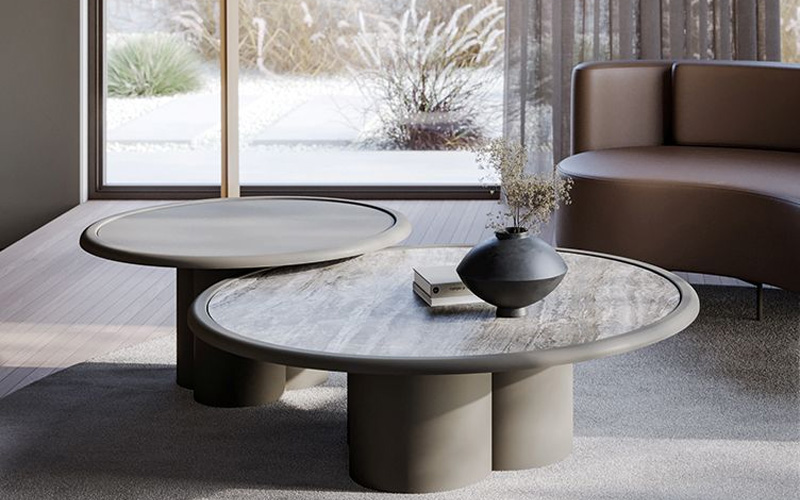
Round tables pair naturally with circular trays or a single, curated cluster placed at the centre, which matches the table’s soft lines and avoids visual imbalance. Meanwhile, rectangular tables are often styled by breaking the surface into two or three defined zones, each with its own small composition to guide the eye across the length. Square tables lend themselves to a bold central feature or a symmetrical grouping that presents their balanced proportions.
5. Keep Colours Consistent With Your Furniture Palette
A cohesive colour palette is essential for achieving a refined look. Coffee table decor should relate closely to the surrounding furniture and finishes, taking cues from the room’s tones, textures, and materials. When these elements are visually aligned, the table transforms into a natural extension of the space.
For instance, an Italian-style coffee table with black accents is often complemented by touches of brass, white ceramics, or restrained greenery. This pairing adds contrast without overwhelming the surface. Timber tables tend to suit earthy tones and warm metal finishes, reinforcing a sense of warmth and material richness. Neutral surfaces offer more flexibility, emphasising bolder accents when used with restraint.
Bringing It All Together in a Singapore Home
Knowing how to style a modern coffee table comes down to restraint and clarity. The aim is not to fill the surface, but to curate it with intention. Each object should earn its place through proportion, material, or personal meaning, contributing to a layout that feels considered rather than crowded.
Coffee table decor choices are most effective when they respect the piece’s design language, drawing from its materials, proportions, and overall aesthetic. When decor aligns with these elements, it enhances the table’s character.
At Colzani, an Italian design house known for precision and craftsmanship, the coffee table itself sets the tone. Our designer coffee tables in Singapore offer strong proportions and refined materials, providing a natural foundation for elegant styling.

 Colzani