We would like to inform you that COLZANI Italian Contemporary Lifestyle has relocated from the showroom at Chevalier House, Genting Road.
COLZANI will continue to operate as the exclusive Asian representative and agent for our Italian furniture brand partners, including Nicoline, Potocco, Naturedesign, Ronda Design, and Status.
During this transition, the showroom at Chevalier House will continue to display and sell these brands until further notice, ensuring uninterrupted service to our customers.
For all enquiries, product information, project consultations, or to arrange a private meeting, please contact:
Until further notice, all meetings with COLZANI are available by appointment only.
We sincerely appreciate your continued trust and support and look forward to continuing to serve you with the finest in Italian contemporary furniture and design.
The Art of Mixing and Matching Sofas: Designer Tips for a Modern Living Room
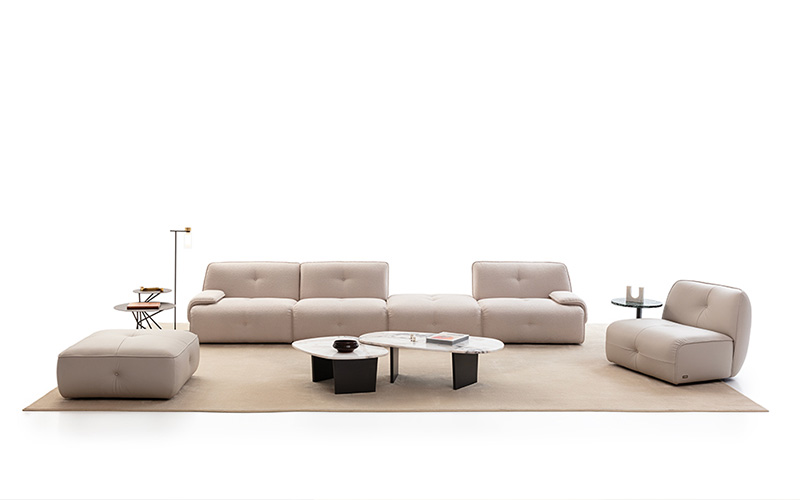
In well-composed living spaces, sophistication rarely comes from uniformity. Perfectly matched furniture sets may appear orderly, yet they no longer define the most compelling interiors today. As design sensibilities shift towards individuality and layered expression, discerning homeowners now increasingly embrace a more nuanced approach: the mix-and-match sofa concept. In this article, we share designer-led insights on how to incorporate living room sofa combination ideas with intention, elegance, and long-term appeal.
Key Takeaways:
How Do Designers Mix and Match Sofas with Style?
Ensure sofas have comparable scale and presence. Align seat heights, arm thickness, or proportions to maintain balance.
Use restrained tones and repeat them across rugs, cushions, or walls to create visual harmony and a calm, timeless interior.
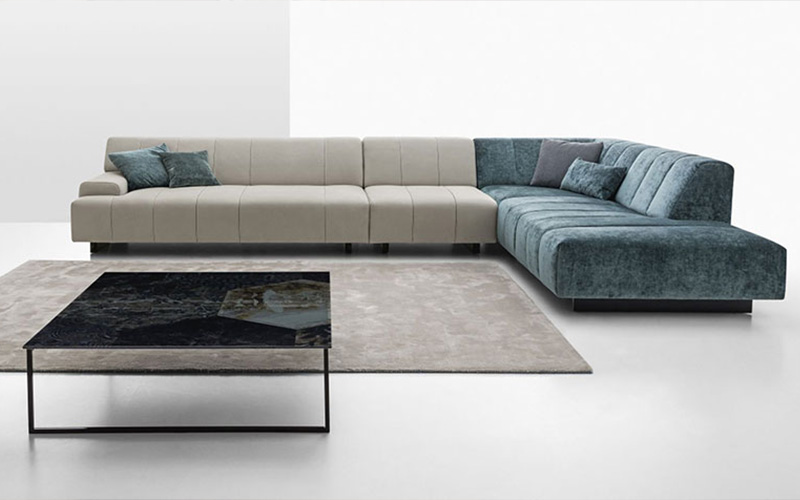
Combine contrasting textures, such as leather, velvet, or linen, and echo them in other elements to add depth.
Maintain consistency in arm shapes, leg styles, or frame geometry to connect different sofas visually.
Tie each sofa to existing features like flooring, curtains, or rugs to create structure and clarity, especially in larger spaces.
Introduction
In well-composed living spaces, sophistication rarely comes from uniformity. Perfectly matched furniture sets may appear orderly, yet they no longer define the most compelling interiors today. As design sensibilities shift towards individuality and layered expression, discerning homeowners now increasingly embrace a more nuanced approach: the mix-and-match sofa concept. The interplay of varied sofa silhouettes, textures, and finishes introduces depth to the space, allowing each piece to assert its presence while contributing to a cohesive composition.
In this article, we share designer-led insights on how to incorporate living room sofa combination ideas with intention, elegance, and long-term appeal.
A Designer’s Perspective: How to Mix and Match Sofas?
1. Match the Visual Weight
One of the most overlooked principles in how to pair different sofa designs is visual weight. Visual weight refers to how substantial or light a sofa appears within a space, regardless of its actual size. It is shaped by factors such as height, depth, massing, upholstery, and detailing. When visual weight is misjudged, even the most beautifully designed pieces can feel out of place when positioned together. For instance, an oversized, high-back sofa placed beside a low, delicate piece can disrupt the room’s equilibrium.
To achieve cohesion, look for shared characteristics that allow different designs to relate naturally to one another. This might mean sofas that sit at a similar height, feature arms of comparable thickness, or share a consistent sense of scale. When placed thoughtfully, these subtle details can hold contrasting sofas together.
2. Build Around a Cohesive Colour Palette
Colour is the quiet unifier in any successful sofa pairing. Even when forms and materials differ, a restrained palette can still keep the composition calm and intentional. Look towards layered neutrals, softened earth tones, or controlled contrasts such as charcoal balanced with warm taupe. These combinations introduce depth without visual noise, adding richness and definition to the interior.
Repeating these colours elsewhere in the room, such as through rugs, cushions, or wall finishes, strengthens cohesion. When these tones reappear in surrounding elements, the living room takes on a clearer sense of order, shaping how the space is perceived and experienced as a whole. Grounded in enduring modern sofa styling tips, this approach creates interiors that feel calm, considered, and timeless.
3. Blend Materials with Intention
Mixing and matching sofas should also emphasise material contrast to showcase balance. Pairing leather with fabric, or refined velvet with textured linen, introduces a tactile richness that elevates the living room beyond a purely visual experience. For instance, when an Italian couch features a more expressive material, the accompanying piece should be more restrained.
To reinforce this relationship, echo these materials subtly through accent chairs, ottomans, or throws. This gentle repetition gives the arrangement clarity and intention, contributing to a cohesive layered composition.
4. Repeat Lines and Silhouettes
Differences in upholstery or finish need not disrupt cohesion when the underlying lines remain consistent. Elements such as arm contours, leg finishes, and frame dimensions help tie different sofas together visually.
Imagine two sofas finished with slim metal legs placed within the same living room. One upholstered in leather, the other in fabric. Despite their differences, this shared detail establishes visual consistency, showcasing a well-composed interior.
5. Use the Room’s Elements as Anchors
Every sofa should feel anchored within the broader context of the room. This sense of grounding comes from establishing visual relationships with existing elements, such as flooring tones, curtain fabrics, or the placement of an area rug. When each sofa draws a clear connection to its surroundings, it demonstrates a deliberate, organised layout.
This approach becomes particularly important in larger living areas, where multiple seating pieces share the same visual field. By anchoring each sofa to a distinct element within the space, the room gains structure and clarity.
Where Italian Craftsmanship Makes the Difference
Mixing and matching sofas requires confidence in quality. When proportions, materials, and finishes are executed with precision, even contrasting designs sit comfortably together. This is where authentic Italian luxury furniture design excels.
With its deep-rooted “Made in Italy” heritage, Colzani brings together bespoke craftsmanship, premium materials, and tailored solutions that support sophisticated sofa pairings. From solid wood frames to fine leather and custom fittings, our Italian sofas in Singapore are curated to enhance your living space. Each piece reflects not just design, but the way you live, entertain, and define comfort on your own terms.

 Colzani