Milan Design Week 2025 unfolded from April 7 to 13, once again transforming Italy’s design capital into a global hub for creativity, innovation, and exchange. With the world’s eyes fixed on Milan, this year’s edition welcomed over 350,000 visitors, over 2,000 exhibitors, and countless immersive experiences across city districts—setting new benchmarks in creative expression, sustainability, and cross-disciplinary collaboration.
Designers, architects, manufacturers, journalists, and enthusiasts from Singapore to São Paulo and beyond arrived with great anticipation—and they were not disappointed. From the grandeur of Salone del Mobile at Fiera Milano Rho to the streets of Brera, Tortona, and Isola, Milan became a living exhibition, offering inspiration at every turn.
A Brief History
Since its founding in 1961 as a trade fair for Italian furniture, Salone del Mobile has evolved into the centerpiece of a broader cultural phenomenon. Today, the combined energy of Salone and Fuorisalone makes Milan Design Week the world’s largest design event—attracting designers, architects, brands, and creatives from over 180 countries.
Milan Design Week 2024 Highlights
The 2024 edition of Milan Design Week, held from April 15 to 21, marked a powerful return to form, spotlighting sustainability, digital innovation, and immersive storytelling. Across both Salone del Mobile and Fuorisalone, design took on deeper meaning—focusing not just on aesthetics, but on responsibility, regeneration, and emotional impact.
Sustainability was a central theme, with many brands showcasing circular materials, carbon-neutral booths, and upcycled furniture. At the same time, digital integration elevated the visitor experience—think gesture-responsive spaces in Tortona and multi-sensory storytelling installations in Brera that blended sound, scent, and light.
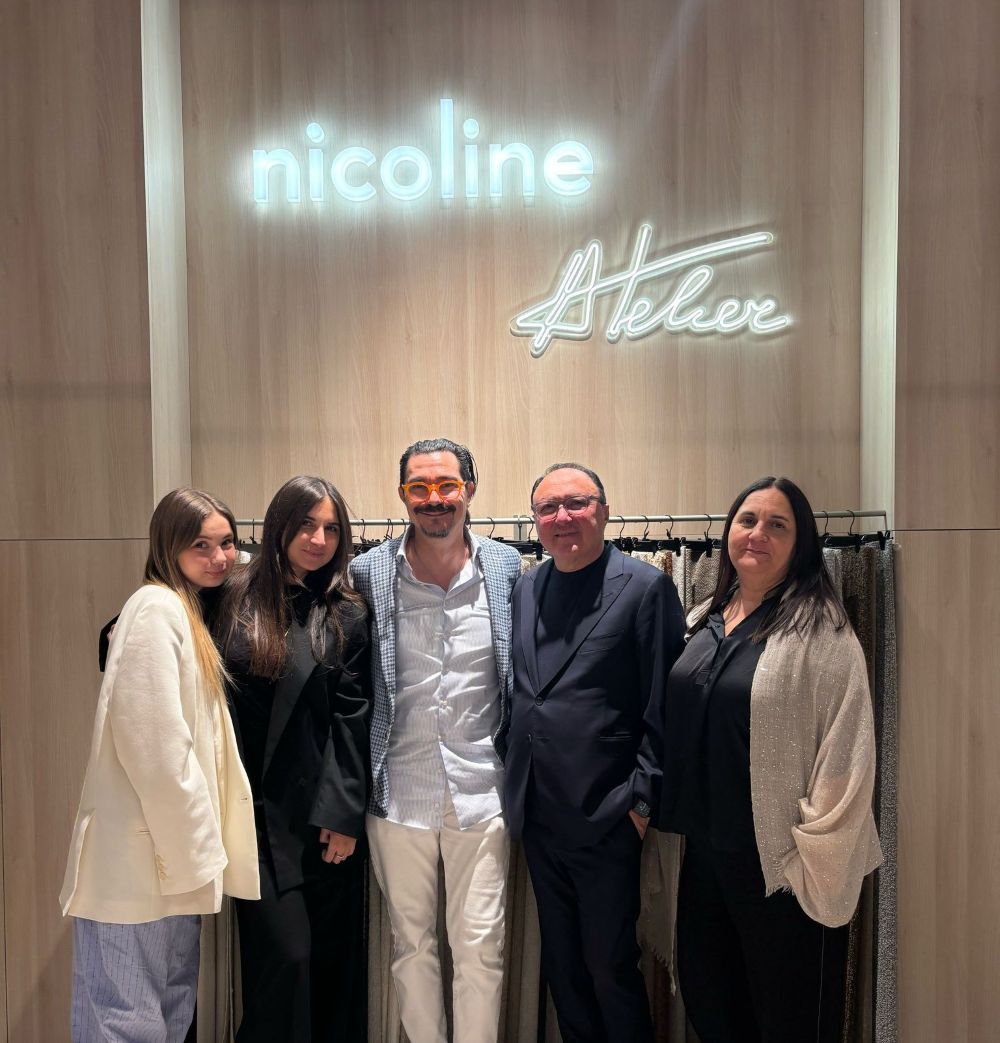
A standout at Salone, Colzani’s four brands—Nicoline Italia, Potocco, Ronda Design, and NatureDesign—unveiled a refined, comfort-driven collection highlighting Italian craftsmanship and eco-conscious materials. Their display drew praise for balancing timeless elegance with contemporary relevance.
Elsewhere, heritage brands leaned into material minimalism, while districts like Isola and 5Vie championed experimental design, biomaterials, and cultural storytelling. The 2024 edition reaffirmed Milan’s role as the epicentre of global design innovation—bold, thoughtful, and forward-looking.
Salone del Mobile 2025: Design at its Peak
As the beating heart of Milan Design Week, Salone del Mobile 2025 offered a masterclass in the fusion of function, elegance, and forward-thinking design. Held once again at Fiera Milano Rho, the fair spotlighted the latest innovations in furnishings, interior architecture, and spatial solutions—emphasising adaptability, circularity, and wellness-driven design.
Exhibitors moved beyond traditional luxury toward holistic lifestyle concepts. This year’s showcase focused heavily on “Designing for Balance”, a theme that explored emotional wellbeing, spatial harmony, and resource responsibility. Modular seating, flexible work-living furniture, AI-enhanced kitchen systems, and biodegradable upholstery made a powerful case for the future of homes and workspaces.
Nicoline Italia: A Refined Statement of Elegance
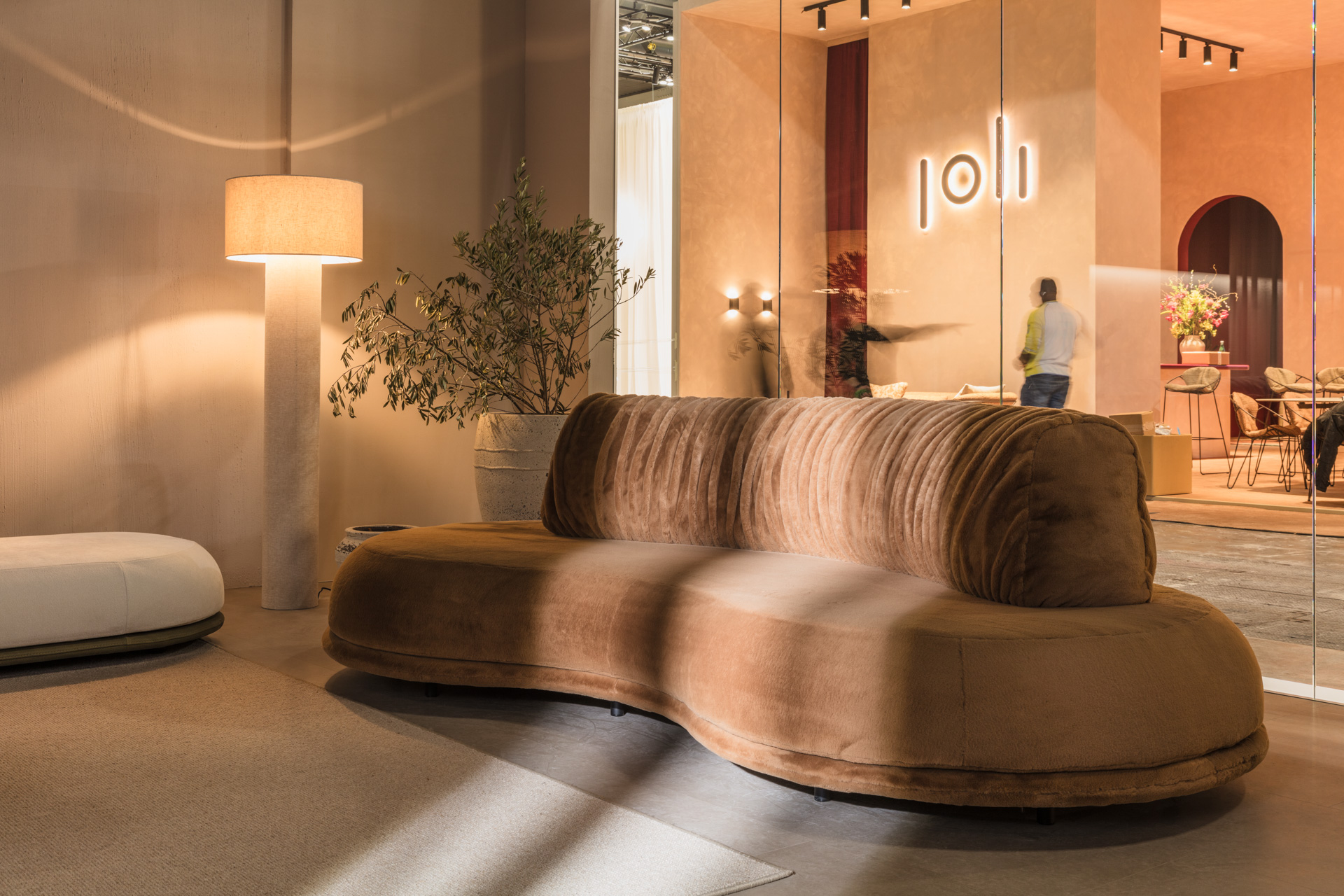
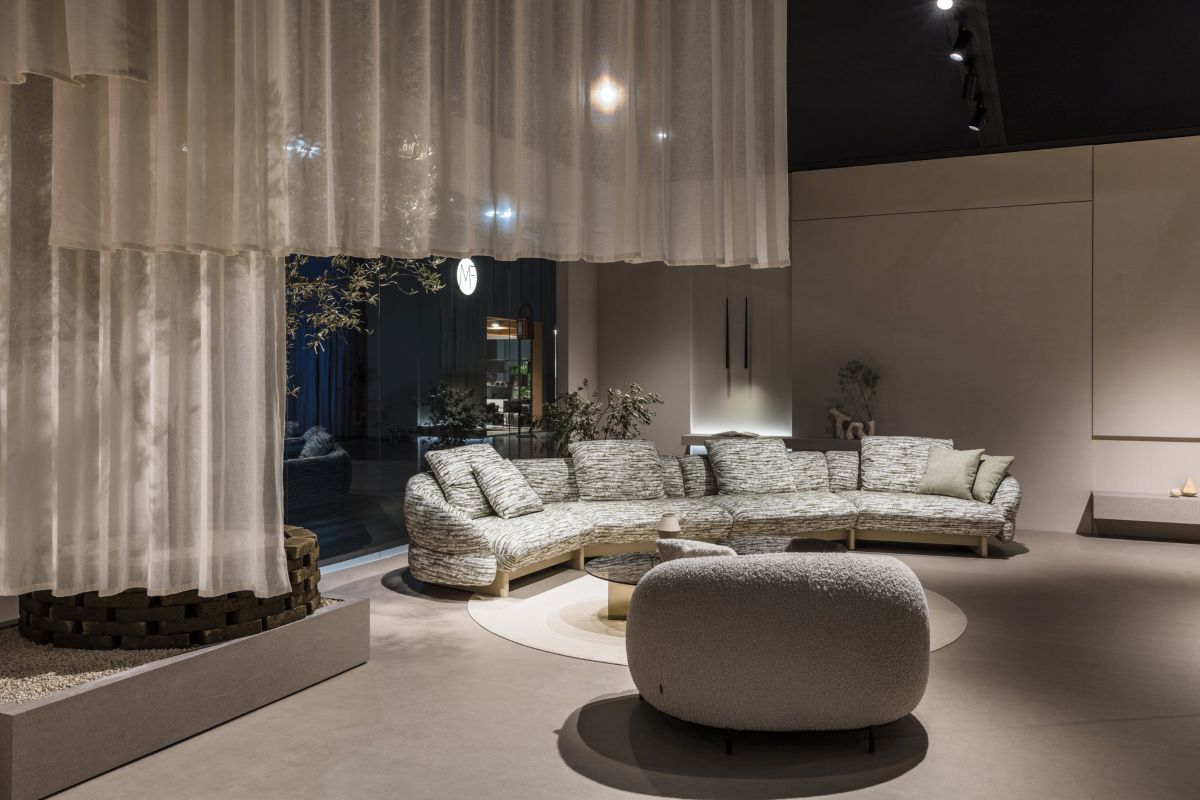
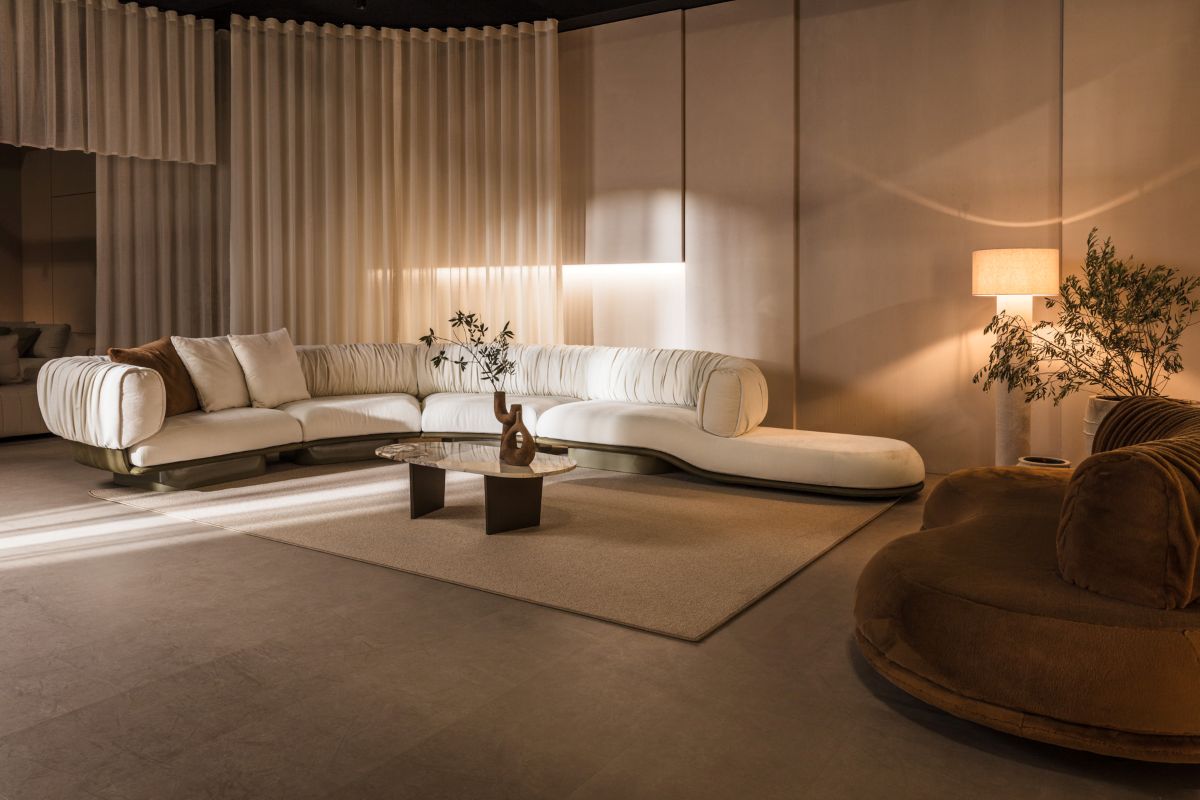
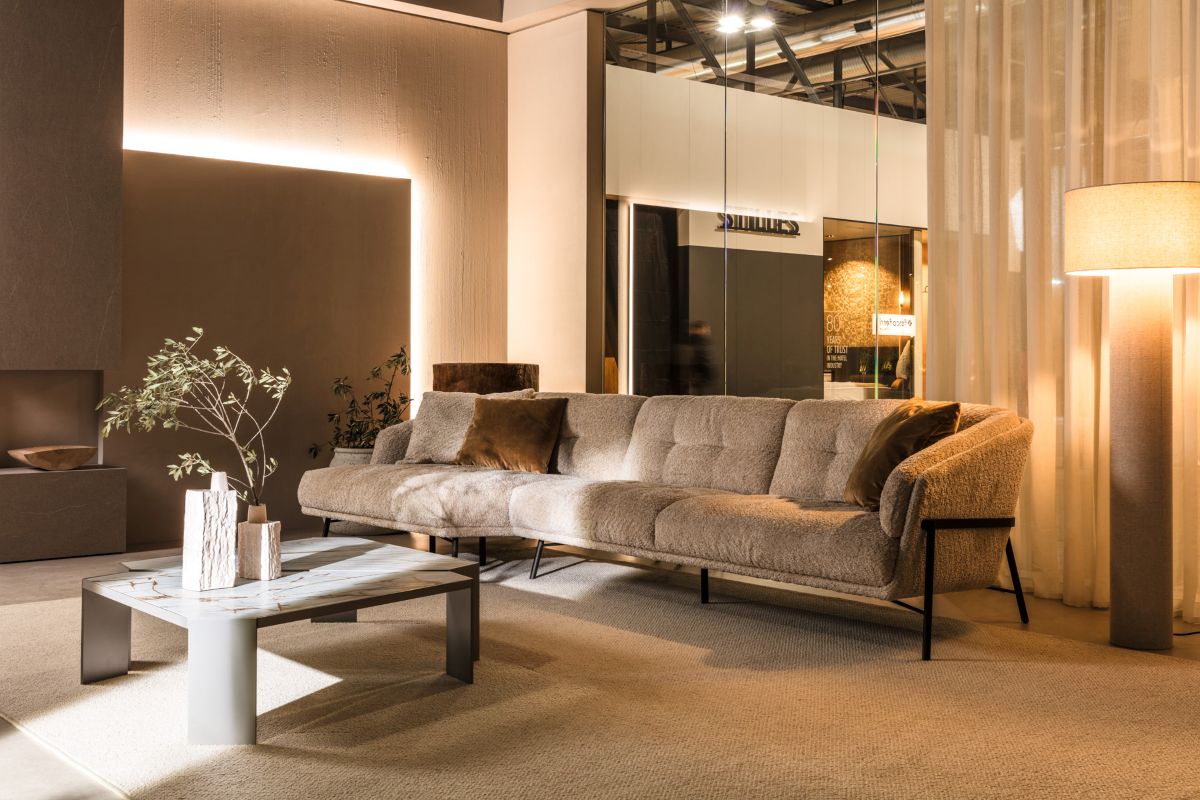
A standout presence once again, Nicoline Italia unveiled its latest collection under the creative direction of Stefano Spessotto. Their booth embodied a serene yet striking aesthetic—soft forms, curated palettes, and exquisite materials. The design language was distinctly Italian, rooted in timeless sophistication yet responsive to the modern lifestyle.
Nicoline’s presentation reflected a deeper philosophy: creating furniture that feels intuitive, emotional, and enduring. Their use of locally sourced leathers and handcrafted finishes was a subtle but strong nod to sustainable Italian craftsmanship. With thoughtfully layered textures and ergonomic compositions, Nicoline reaffirmed its place at the forefront of design elegance.
Fuorisalone 2025: Milan as a Living Gallery
Outside the fairgrounds, Milan pulsed with energy. Fuorisalone 2025 brought design to the streets, galleries, lofts, and courtyards of the city. Each district offered a different lens through which to experience design innovation.
In Brera, poetic lighting installations, curated showrooms, and scent-based experiences blended old-world charm with modern storytelling. Tortona delivered large-scale immersive experiences, including a zero-waste pavilion built entirely from recycled exhibition waste from previous years. Isola gave voice to emerging talents, who explored themes such as AI-generated design ethics and nature-inspired modular living. 5Vie highlighted traditional artisanship and craft revival, while Navigli offered a vibrant, reflective pause along its scenic canals.
The Triennale di Milano, meanwhile, hosted a widely praised exhibition titled “Designing Regeneration”, which examined how design can contribute to planetary health through regenerative materials, urban greening, and cross-industry collaboration.
The prestige of Milan Design Week remains unmatched—and 2025 raised the bar even higher. Securing a space at either Salone or Fuorisalone meant being part of a globally curated community that values originality, craftsmanship, and relevance.
Participants hailed from more than 40 countries, representing luxury brands, boutique studios, tech start-ups, and design universities alike. Every booth, installation, and collaboration underwent stringent curation—ensuring the entire city functioned as a museum of future-forward ideas.
Educational institutions and design collectives also made their mark, with young designers being given a platform to showcase experimental work that challenged conventions. Notable mentions included the Singapore Design Council’s “Micro-Home of Tomorrow” and the Royal College of Art’s circular fashion lab.
Visitor Experience: Seamless, Immersive, and Insightful
Visitors to Milan Design Week 2025 described the experience as “incredibly well-orchestrated.” Ticketing was streamlined via digital passes, and the newly enhanced Milan Design Week mobile app offered live updates, interactive maps, and guided event schedules.
Attendees appreciated the improved accessibility initiatives, more multilingual signage across the city, and conscious efforts to reduce event-related waste. Sustainable transport options, including free e-bike rentals and shuttle loops, helped reduce the city’s carbon footprint.
Networking lounges, brand-hosted aperitivos, and “Design After Dark” gatherings in venues like Fondazione Prada allowed designers to forge meaningful connections, many of which will shape future collaborations.
Milan Design Week 2025 at a Glance
Dates: April 7–13, 2025
Main Event: Salone del Mobile, Fiera Milano Rho
Parallel Events: Fuorisalone, across Milan districts including Brera, Isola, Tortona, 5Vie, and Navigli
Core Themes: Balance, Circular Design, Tech & Nature Integration, Emotional Wellness
Visitors: 350,000+ from over 180 countries
Exhibitors: 2,000+ brands and institutions
Reflecting on the Impact
For professionals across the global design spectrum, Milan Design Week 2025 was more than an industry gathering—it was a cultural movement. It offered not only a glimpse into the future of interiors and architecture but also urgent reflections on design’s role in healing, connection, and coexistence.
For designers and studios from Singapore and Southeast Asia, the event was a vital benchmark—offering direct access to international trends, new materials, client opportunities, and cross-cultural inspiration.
The week closed not with a single defining statement, but with hundreds of new connections, projects, and conversations—each continuing long after the exhibition lights dimmed.
FAQs: Key Questions Answered
What were the main differences between Salone del Mobile and Fuorisalone this year?
Salone remained the official fair with a business-to-business focus on interior design, furniture, and product launches. Fuorisalone was more experimental and city-wide, blending art, architecture, and lifestyle in open-access events.
Were international guests able to attend easily?
Yes. Thanks to early visa facilitation, digital ticketing, and multilingual assistance, international attendance—including from Asia and the Middle East—was strong. The event’s updated app helped visitors stay informed and navigate Milan’s many design districts.
Was sustainability more visible than in previous years?
Absolutely. Nearly every brand incorporated eco-conscious design practices, and Milan Design Week itself had a coordinated sustainability strategy—from energy-efficient lighting to zero-plastic initiatives.
How did Nicoline Italia stand out this year?
Nicoline delivered a standout experience blending form, function, and finesse. With a focus on comfort, modularity, and sustainable luxury, their 2025 showcase resonated strongly with global buyers and press alike.
Closing Thoughts
Milan Design Week 2025 lived up to its legacy—and then some. It was a resounding affirmation of design’s ability to shape not just beautiful spaces, but better lives. With Colzani’s four brands—Nicoline Italia, Potocco, Ronda Design, and NatureDesign—joining other forward-thinking names at the forefront, this year’s event offered a bold vision of a world that is more thoughtful, balanced, and beautifully designed.

 Colzani