We would like to inform you that COLZANI Italian Contemporary Lifestyle has relocated from the showroom at Chevalier House, Genting Road.
COLZANI will continue to operate as the exclusive Asian representative and agent for our Italian furniture brand partners, including Nicoline, Potocco, Naturedesign, Ronda Design, and Status.
During this transition, the showroom at Chevalier House will continue to display and sell these brands until further notice, ensuring uninterrupted service to our customers.
For all enquiries, product information, project consultations, or to arrange a private meeting, please contact:
Until further notice, all meetings with COLZANI are available by appointment only.
We sincerely appreciate your continued trust and support and look forward to continuing to serve you with the finest in Italian contemporary furniture and design.
Humidity-Friendly Cosy Living Room Ideas for Singapore Homes
Creating a cosy living room in Singapore calls for a thoughtful balance between climate awareness and personal style. In a city shaped by humidity, heat, and year-round moisture, true comfort comes from design decisions that prioritise function and longevity, not just appearance. The most effective humidity-friendly cosy living room ideas should blend warmth with furnishings and layouts that remain comfortable and resilient over time. In this article, we explore cosy living room approaches tailored to Singapore homes.
Key Takeaways:
What Humidity-Friendly Cosy Living Room Ideas Can You Incorporate?
Choose breathable fabrics such as linen, cotton, and performance textiles to keep seating areas cool and comfortable in humid conditions.
Prioritise airflow through open layouts, discreet ventilation, and thoughtful furniture placement to reduce heat and moisture build-up.
Use natural light to add warmth and depth, while managing direct sunlight to protect finishes and maintain comfort.
Select well-crafted furniture made with moisture-resistant materials to ensure durability and long-term performance in Singapore’s climate.
Introduction
Creating a cosy living room in Singapore calls for a thoughtful balance between climate awareness and personal style. In a city shaped by humidity, heat, and year-round moisture, true comfort comes from design decisions that prioritise function and longevity, not just appearance. The most effective humidity-friendly cosy living room ideas should blend warmth with furnishings and layouts that remain comfortable and resilient over time.
In this article, we explore cosy living room approaches tailored to Singapore homes, focusing on materials, layouts, and furniture choices that respond well to tropical climates.
Cosy Living Room Ideas: How to Design Humidity-Friendly Spaces for Singapore Homes
1. Choose Breathable, Climate-Appropriate Fabrics
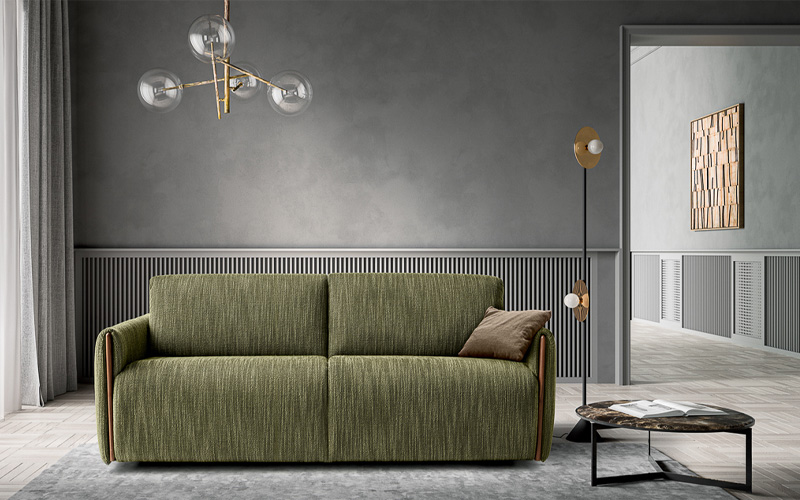
Selecting the right fabrics is one of the useful design tips for living rooms in humid climates. Soft furnishings have a significant influence on the overall comfort and atmosphere of a living room. Breathable fabrics such as linen, cotton, and refined performance fabrics allow air to circulate more easily and dry faster after exposure to moisture. These materials help keep seating areas cool and comfortable, even during afternoons when humidity peaks.
In contrast, heavy synthetics or thick upholstery may trap heat and moisture. With lower breathability, they tend to reduce evaporation and slow moisture release into the surrounding air. Over time, this can lead to heat retention around seating surfaces, making the living room feel persistently stuffy.
2. Prioritise Ventilation and Airflow
In Singapore’s humid environment, comfort is less about enclosure and more about flow. A living room that allows air to move freely feels lighter, cooler, and instinctively more comfortable. This is why discerning homeowners now lean more towards open layouts, discreet ventilation, and ceiling fans. When thoughtfully integrated, these elements support airflow without compromising comfort or visual harmony.
Subtle changes should not be underestimated. Adjusting furniture placement to avoid blocking vents, windows, or natural airflow paths can instantly elevate the comfort of your living room throughout the day. When air is allowed to circulate freely around seating areas and soft furnishings, heat and moisture dissipate more effectively. This, in turn, creates a relaxed and inviting atmosphere without the need for drastic design changes.
3. Embrace Natural Light to Warm the Space
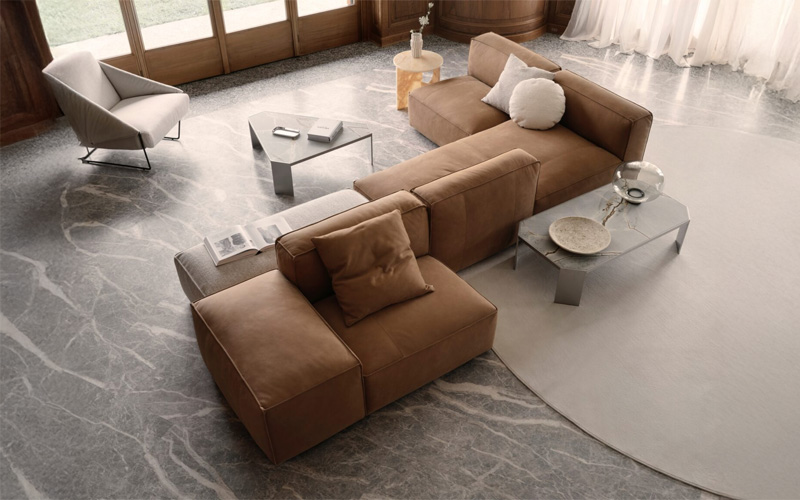
As a defining feature of cosy living room ideas designed for humid conditions, natural light brings warmth and depth to your living space. If you want to reinforce the sense of a cosy home without holding onto excess heat, consider incorporating sheer curtains, sliding doors, and generous window openings. By filtering rather than blocking daylight, these elements soften the space, reduce glare, and help maintain a comfortable balance.
However, it is worth noting that excessive direct sunlight can affect certain finishes over time. Materials such as leather, wood veneers, and textiles may fade or dry unevenly if not properly protected. A balanced approach to light control should be in place to maintain long-term comfort while preserving material quality.
4. Pick Furniture Built for Durability in Humidity
Furniture choices matter greatly in a humid climate. Materials that absorb moisture easily may warp, deteriorate, or develop odours, affecting both comfort and longevity. For this reason, many homeowners gravitate towards luxury Italian furniture, where material selection, construction methods, and finishing techniques are developed with durability and long-term performance in mind.
Considered craftsmanship, along with breathable upholstery and refined wood and metal finishes, supports furniture durability in varying conditions. When selecting furniture for tropical climates, materials such as solid wood, lacquered surfaces, and metal-framed structures often perform more reliably in humid environments. Together, these choices allow the living room to retain its sense of refinement and functionality with everyday use.
What Defines a Considered Approach to Long-Term Comfort
A considered approach to long-term comfort begins with the understanding that no material or layout is entirely maintenance-free. Even the most carefully chosen furnishings benefit from regular care and attention, particularly in Singapore’s environment. Proper ventilation, occasional professional cleaning, and mindful use all contribute to preserving comfort and appearance. Ultimately, thoughtful cosy living room ideas are those that consider both climate and lifestyle. By combining breathable fabrics, thoughtful airflow, natural light, and well-made pieces, you can create a sanctuary that feels elegant, comfortable, and enduring.
For homeowners drawn to understated luxury with practical longevity, Italian living room furniture offers a refined balance. Carefully considered proportions, breathable upholstery, and precisely finished wood and metal elements introduce warmth without heaviness, supporting comfort while ageing gracefully in a demanding climate.

 Colzani