We would like to inform you that COLZANI Italian Contemporary Lifestyle has relocated from the showroom at Chevalier House, Genting Road.
COLZANI will continue to operate as the exclusive Asian representative and agent for our Italian furniture brand partners, including Nicoline, Potocco, Naturedesign, Ronda Design, and Status.
During this transition, the showroom at Chevalier House will continue to display and sell these brands until further notice, ensuring uninterrupted service to our customers.
For all enquiries, product information, project consultations, or to arrange a private meeting, please contact:
Until further notice, all meetings with COLZANI are available by appointment only.
We sincerely appreciate your continued trust and support and look forward to continuing to serve you with the finest in Italian contemporary furniture and design.
What Is Open Concept Home Design? Key Principles Every Homeowner Should Know
Open concept home design rethinks how spaces are experienced. By removing traditional walls, the living, dining, and kitchen areas come together as one continuous environment. Instead of moving from room to room, the home unfolds as a single, fluid space designed for modern living. When paired with thoughtful open-plan interior design and carefully chosen furnishings, open concept living becomes not just practical, but quietly luxurious.
Key Takeaways:
Open Concept Home Design: How to Plan It Well
Open concept home design works best when the layout flows naturally from one zone to the next, without visual interruptions.
Natural light, open sightlines, and thoughtfully chosen furniture help the space feel calm and expansive.
A consistent palette of colours and materials brings harmony to the space, ensuring it feels curated rather than fragmented.
Introduction
Open concept home design rethinks how spaces are experienced. By removing traditional walls, the living, dining, and kitchen areas come together as one continuous environment. Instead of moving from room to room, the home unfolds as a single, fluid space designed for modern living.
In Singapore, this approach has gained strong appeal. It responds naturally to compact floor plans, allowing homes to feel more spacious, brighter, and more connected. When paired with thoughtful open-plan interior design and carefully chosen furnishings, open concept living becomes not just practical, but quietly luxurious.
How to Plan an Open Concept Home Design
1. Create a Fluid, Connected Layout
The defining quality of an open concept home is how effortlessly one area transitions into the next. The living space flows into the dining area, which in turn connects naturally to the kitchen.
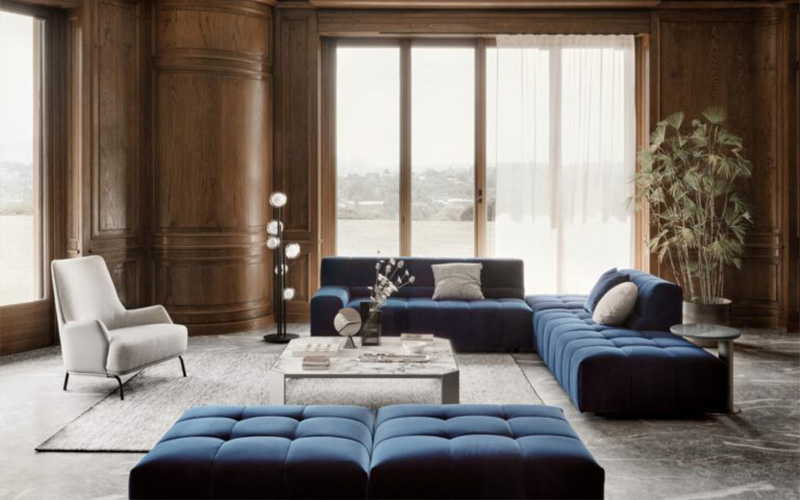
Here, Italian furniture styling plays a part. A refined sofa with sculptural lines anchors the living area, while a dining table with elegant proportions draws the eye forward. Each piece feels intentional, allowing the space to remain connected while still offering subtle definition. This establishes a layout that feels composed and intuitive, never random.
2. Maximise Natural Light and Openness
With fewer walls, natural light becomes a defining element of the interior. Daylight moves freely across the space, highlighting textures, finishes, and forms throughout the home.
Low-profile seating, streamlined sideboards, and glass-top tables, often found in modern Italian furniture, help maintain this openness. These pieces sit lightly within the space, allowing light to travel uninterrupted. Polished stone surfaces, refined metals, and soft upholstery further enhance the sense of brightness, creating an atmosphere that feels calm and expansive.
3. Use Furniture to Define Zones
In an open layout, the absence of walls changes how a home is experienced. Without clear physical boundaries, spaces rely on visual cues and flow. This shift gives furniture a new role.
Instead of simply filling a room, well-chosen luxury furniture creates a clear purpose without breaking visual continuity. Notably, Italian design excels at this. The pieces are expressive yet restrained, giving each zone its identity while maintaining a cohesive overall aesthetic.
Sectional Sofa
Establishes where the living area begins, offering a moderate sense of enclosure. When positioned to face both the view and the dining area, it creates a natural pause in the layout while keeping sightlines open.
Dining Table
Draws the eye forward and becomes both a visual and social focal point. Its placement signals a shift in purpose, from relaxation to gathering, without the need for walls or partitions.
Accent Chairs, Rugs, and Lighting
Guide movement between zones, subtly shaping how one moves through the space and where one naturally lingers, reinforcing flow and continuity across the home.
4. Prioritise Cohesion With Colour and Materials
As everything is visible at once, an open concept home design relies on harmony. Colours, materials, and finishes are experienced together as a single composition. A consistent palette also helps the home feel unified and considered. It allows each zone to flow naturally into the next without visual disruption.
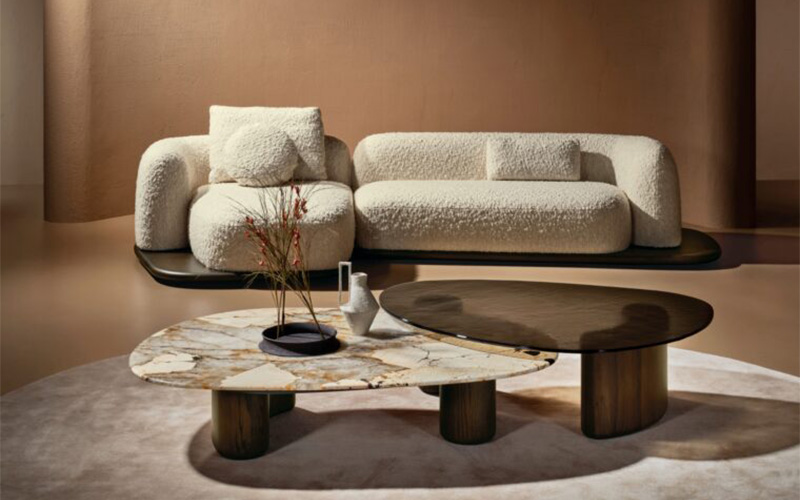
Italian interiors are known for their refined material language. Soft bouclé fabrics, supple leather, warm walnut, and polished stone appear across different pieces, subtly tying the space together. This repetition of materials and tones ensures the interior feels curated rather than pieced together, a hallmark of a thoughtful open-plan concept.
Open concept home design is meant to adapt. The same space that feels calm and open in the morning naturally transforms as the day unfolds. A quiet corner becomes a place for coffee or reading, while the dining area comes alive in the evening as guests gather. Thanks to the fluid layout, the home adjusts effortlessly from private moments to social ones.
Instead of being fixed or static, open concept spaces are designed to respond to how a home is actually lived in. Furniture plays a key role in this flexibility. Within Italian designer furniture collections, many pieces are thoughtfully created to adapt without drawing attention to the mechanism behind them.
Modular sofas can be reconfigured to encourage conversation or create more intimate seating, while extendable dining tables open up conveniently when guests arrive. These adjustments allow the space to change with the moment while maintaining a sense of refinement.
Where Open Concept Often Goes Wrong
While open layouts offer freedom, restraint is essential. Overcrowding is a frequent issue in open concept homes. Oversized or visually heavy furniture can make the space feel constrained and disrupt its flow. Another is mixing too many styles or finishes, making a space feel disjointed rather than cohesive.
Be aware of poor zoning, as it can leave areas feeling undefined. At the same time, a lack of attention to scale may make the home appear either sparse or overwhelming. Successful open concept interiors rely on proportion, balance, and a clear design narrative carried through every piece.
How to Elevate Open Concept Living
At its best, open concept living feels effortless. The space breathes, light moves freely, and every element feels considered. Through refined modern home layout ideas and appealing, premium Italian furniture, an open concept layout takes on a distinctly elevated character.
At Colzani, our furniture collection embodies this approach to living. Carefully selected pieces bring together refined materials, thoughtful proportions, and contemporary design.
Contact us to explore how Italian design lends a sense of sophistication to open layouts.

 Colzani