We would like to inform you that COLZANI Italian Contemporary Lifestyle has relocated from the showroom at Chevalier House, Genting Road.
COLZANI will continue to operate as the exclusive Asian representative and agent for our Italian furniture brand partners, including Nicoline, Potocco, Naturedesign, Ronda Design, and Status.
During this transition, the showroom at Chevalier House will continue to display and sell these brands until further notice, ensuring uninterrupted service to our customers.
For all enquiries, product information, project consultations, or to arrange a private meeting, please contact:
Until further notice, all meetings with COLZANI are available by appointment only.
We sincerely appreciate your continued trust and support and look forward to continuing to serve you with the finest in Italian contemporary furniture and design.
How to Select the Perfect Colour Scheme for Your Living Room
Choosing the right colour scheme for your living room is one of the most impactful decisions you can make when shaping your home’s interior. Colour does more than set a visual tone. It influences how spacious a room feels and how well your furniture and décor come together as a cohesive whole. A well-considered living room colour palette is essential to creating a space that feels both refined and personal. This guide explores how these elements work together to create a well-balanced living space.
Key Takeaways:
How to Choose a Colour Scheme That Works for Your Living Room
Start by deciding the mood you want your living room to convey, as colour choices influence how the space feels and functions.
Consider how natural and artificial lighting affects colours throughout the day before finalising your palette.
Build your scheme around one dominant colour, then layer secondary tones through soft furnishings and accents.
Let existing furniture and materials guide your colour choices to maintain balance and highlight craftsmanship.
Use neutrals as a flexible foundation, allowing the space to evolve through accessories without major changes.
Introduction
Choosing the right colour scheme for your living room is one of the most impactful decisions you can make when shaping your home’s interior. Colour does more than set a visual tone. It influences how spacious a room feels and how well your furniture and décor come together as a cohesive whole. A well-considered living room colour palette is essential to creating a space that feels both refined and personal.
Undertones, lighting, and material finishes all play a role in how colours are perceived. This guide explores how these elements work together to create a well-balanced living space.
How to Determine Your Colour Scheme
1. Start With the Mood You Want to Create
Before selecting any paint swatches, it helps to consider how you want your living room to feel. This is where interior design colour psychology plays an important role. Different colours naturally evoke different emotional responses, which can guide your colour scheme choices for living rooms.
If you prefer a calm and serene environment, shades of green, muted blues, and soft greys create a sense of balance and relaxation. These tones work well in homes where the living room is a space to unwind after a long day.
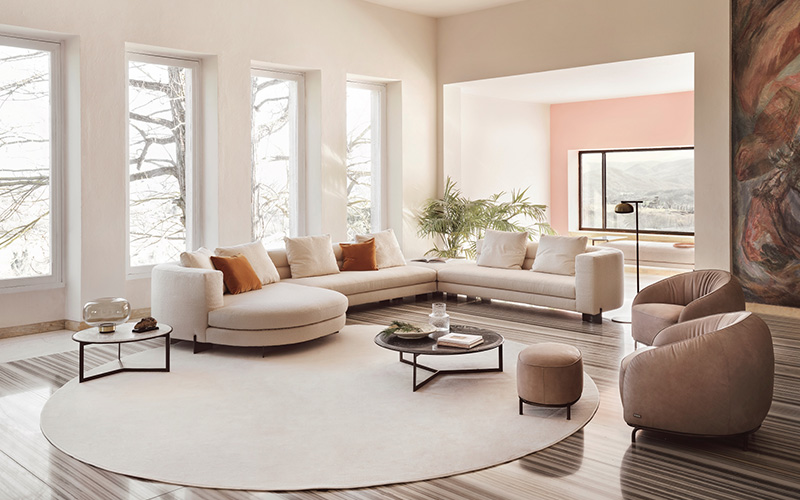
For a warmer and cosier atmosphere, taupes, warm neutrals, and caramel tones introduce depth and comfort. These colours pair particularly well with textured materials such as leather, timber, and woven fabrics.
Homeowners who enjoy a more expressive or energetic space may gravitate towards jewel tones or deeper accent colours. When used thoughtfully, these hues can add character without overwhelming the room.
2. Consider How Lighting Affects Colour
The way light moves through a living room can significantly change how colours look and feel. As natural light differs from one home to another, lighting becomes a key consideration when choosing a colour scheme for your living room.
North-facing rooms tend to receive cooler light, which can make colours appear more muted or greyed. Warmer tones help balance this effect and prevent the space from feeling flat. South-facing rooms, on the other hand, benefit from warmer natural light, allowing cooler shades to look more vibrant.
Artificial lighting also plays a part. Warm bulbs can soften colours, while cooler bulbs highlight contrast and crispness. Before finalising your living room colour palette, it is worth viewing samples at different times of the day to see how they respond to changing light conditions.
3. Choose a Dominant Colour, Then Build Around It
A cohesive colour scheme often starts with a single dominant colour. This is typically the main wall colour that sets the foundation for the space. From there, secondary shades can be introduced to create balance and visual interest.
Complementary or contrasting tones can be layered through soft furnishings such as cushions, rugs, and throws. Used in smaller amounts, these elements introduce visual interest without overwhelming the room. They also make it easier to refresh the space over time.
Next, artwork and decorative accents help bring the colour palette together. Well-chosen artwork can reflect key tones in the room, creating a visual connection between different materials and furnishings like luxury Italian furniture design. Smaller accents, such as vases or decorative objects, echo these colours subtly, helping the space feel cohesive without relying on permanent changes.
4. Work With Your Existing Furniture and Materials
One of the most practical home styling ideas is to let your existing furniture guide your colour choices. Sofas, flooring, rugs, curtains, and wood finishes all carry undertones that should be considered as part of the overall scheme.
When a living room features luxury furniture, a restrained colour palette helps maintain visual balance. Neutral wall colours reduce distraction and create a sense of calm. This gives the furniture room to stand out through its craftsmanship.
Different materials, such as polished marble, brushed metal, or natural timber, interact with light in distinct ways. Light bounces easily off marble surfaces, subtly lifting nearby colours, while metal finishes add either cool or warm accents. Timber softens the look by absorbing light and introducing a sense of warmth. Considering how these materials sit alongside your colour choices helps the living room feel intentional and visually balanced.
5. Use Neutrals as a Timeless Foundation
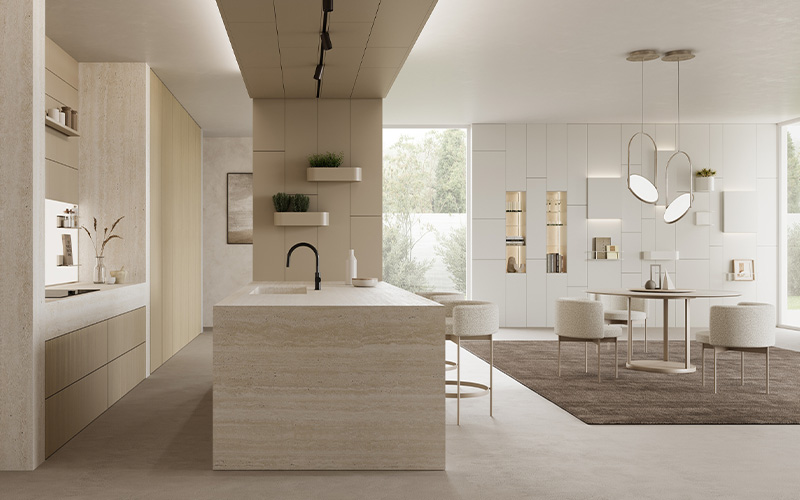
Neutral colours remain a reliable choice for living rooms, especially for homeowners who value flexibility. Shades such as stone, slate, canvas, and warm beige work seamlessly with a wide range of décor styles and furnishings. For example, a warm beige or canvas-toned wall pairs naturally with leather or fabric sofas, timber flooring, and stone surfaces. Slate or soft grey tones work well alongside metal accents and contemporary furnishings.
A neutral foundation allows for seasonal updates through accessories or artwork without requiring a complete redesign. This approach suits those who enjoy refreshing their interiors while maintaining a sense of continuity and sophistication.
What Mistakes Should You Avoid When Choosing a Colour Scheme?
Even with a clear vision, a few common missteps can affect how a colour scheme ultimately comes together. Taking these points into account guides more considered choices throughout the design process.
Choosing colours without testing them in actual lighting can lead to unexpected results once the space is fully lit.
Ignoring undertones in flooring or large furniture pieces may cause the overall scheme to feel mismatched.
Overusing strong accent colours can overwhelm the living room and draw attention away from key furniture or architectural features.
Treating colour in isolation rather than as part of a material palette may make the space appear disconnected.
How to Bring It All Together
Selecting colour schemes for living rooms is more than just following trends. It is a process of aligning mood, light, materials, and furniture into a cohesive whole. When done thoughtfully, your living room can feel cohesive, balanced, and suited to both daily living and long-term use.
Colzani curates Italian designer furniture that works naturally with considered colour palettes and material finishes. Our aim is to help homeowners create living rooms that reflect both timeless Italian design sensibilities and modern Singapore living.
Contact us to arrange a private showroom appointment.

 Colzani